
Mirrors have been a part of human civilization for centuries, serving as a reflective surface that allows us to see ourselves and the world around us from a different perspective. These simple yet powerful objects have found their way into various aspects of our daily lives, from personal grooming to scientific experimentation. In this blog, we delve into the world of mirrors, discussing their uses, shapes, materials, and sizes.
Uses of Mirrors
The primary use of mirrors is to reflect light, creating an image of an object or person. This reflection can be used for various purposes, including personal grooming, decoration, and navigation. In bathrooms, mirrors are essential for applying makeup, shaving, and brushing teeth. They also play a crucial role in interior design, adding depth and dimension to rooms. Additionally, mirrors are used in optical instruments like telescopes and microscopes to magnify images.
Shapes of Mirrors
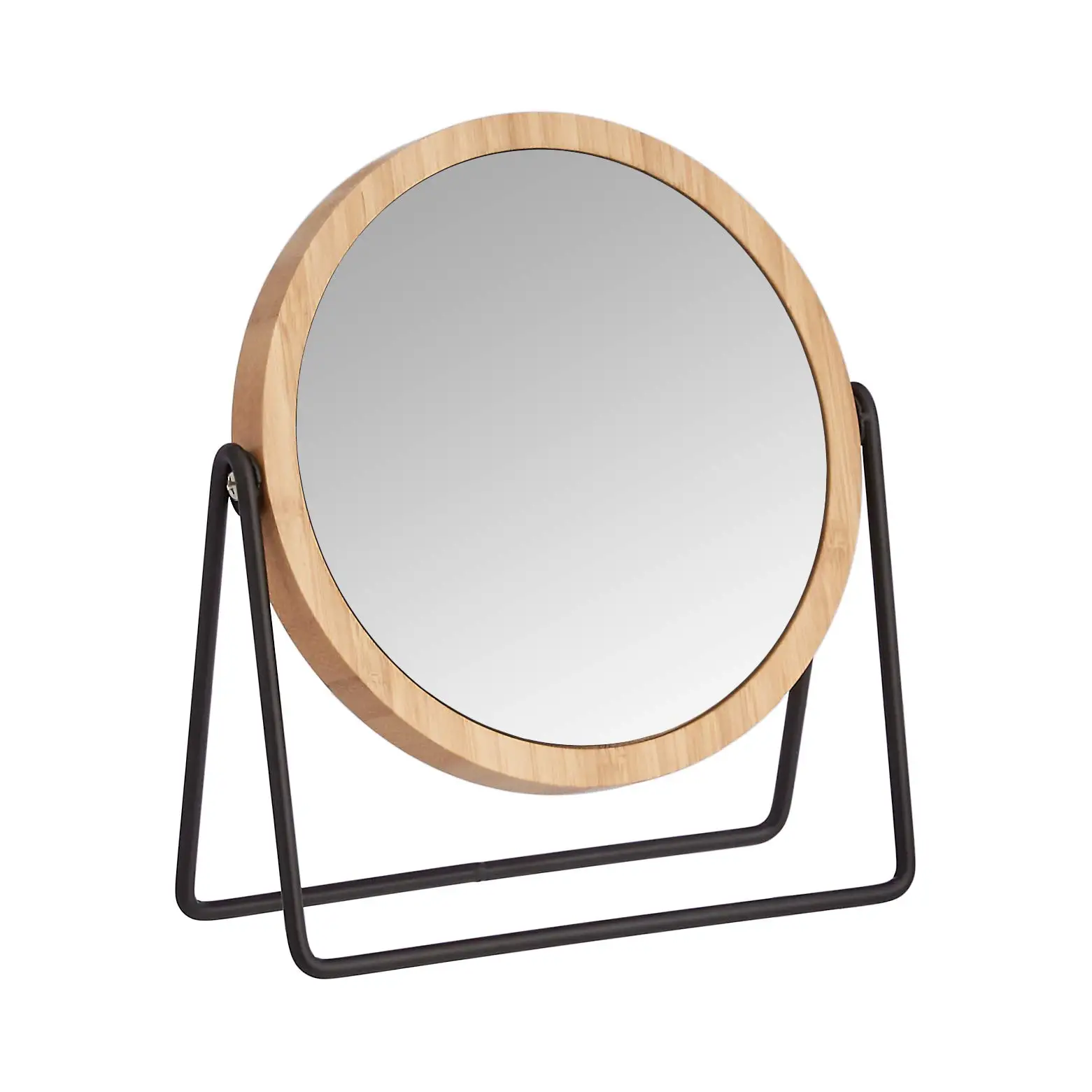
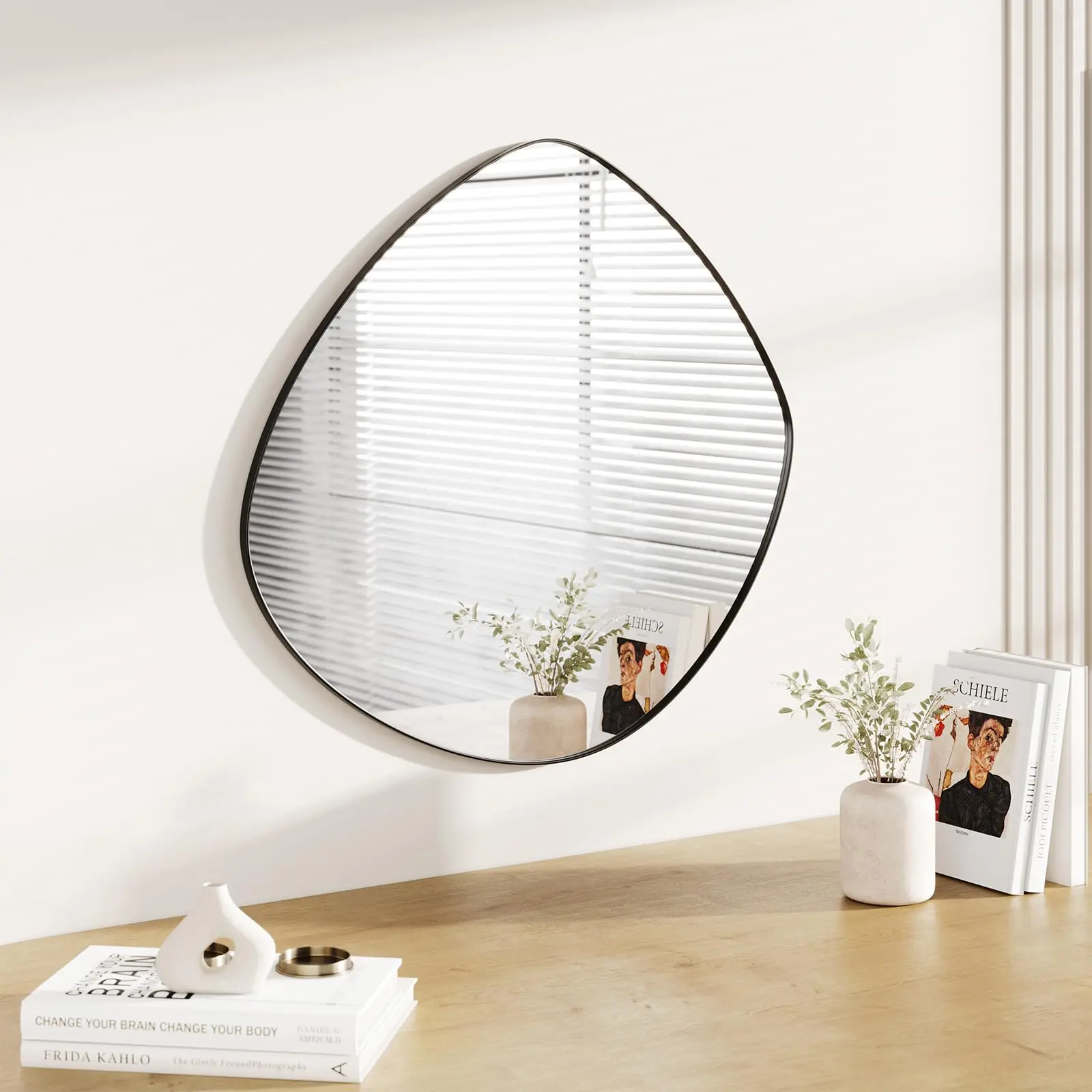
Mirrors come in a wide range of shapes, each designed to serve a specific purpose. The most common shape is the rectangle, which is suitable for most domestic and commercial applications. Round mirrors, on the other hand, often have a more decorative quality, often found in hallways or living rooms. Other shapes, such as oval, square, and even irregularly shaped mirrors, are also available, depending on the specific need or aesthetic preference.
Materials of Mirrors
Mirrors can be made from various materials, each offering its own set of advantages and disadvantages. Glass is the most common material used for mirrors, as it provides a clear and distortion-free reflection. Glass mirrors are coated with a thin layer of metal, usually silver or aluminum, to create the reflective surface. Acrylic and plastic mirrors are also available, which are lighter and more shatter-resistant but may not offer the same clarity as glass.
Sizes of Mirrors
Mirror sizes vary widely, depending on their intended use and the space they will occupy. Small, compact mirrors are perfect for portability and personal use, often found in purses or on vanity tables. Larger mirrors, measuring several feet in width and height, are common in bathrooms, bedrooms, and entryways, providing a full-length view for grooming and styling. Wall-mounted mirrors can span entire walls, creating a seamless and expansive feel in larger spaces.
In conclusion, mirrors are incredibly versatile and play a crucial role in our lives. Whether it's a small, portable mirror for quick touch-ups or a large, wall-mounted mirror for enhancing the aesthetics of a room, these reflective surfaces have become an essential part of our daily routine. The variety of shapes, materials, and sizes available offers a wide range of options to choose from, depending on personal preferences and specific needs.


